

Our Plot at Green Lane Alloments Blog | Our Weather Blog | Green Lane AllotmentsWebsite | School Vegetable Patch Blog
© The School Vegetable Patch-





By creating a wild life garden you are not just providing a much needed habitat for our native wild life but you are also creating an outdoor classroom where children can learn about the creatures that share our outdoor spaces. Children have a healthy fascination when it comes to other living things and enjoy watching and learning about all types of creatures. Using an outdoor classroom you can ensure that this learning takes place with respect for the creatures being studied.
A wild-
Like all living things, the creatures that you want to encourage into a wildlife garden require:
- Somewhere to shelter and feel safe.
- A food supply
- Somewhere to breed and in some cases raise and feed their young.
- A source of water
By supplying all these elements you will increase you chances of having a wildlife rich, biodiverse garden.
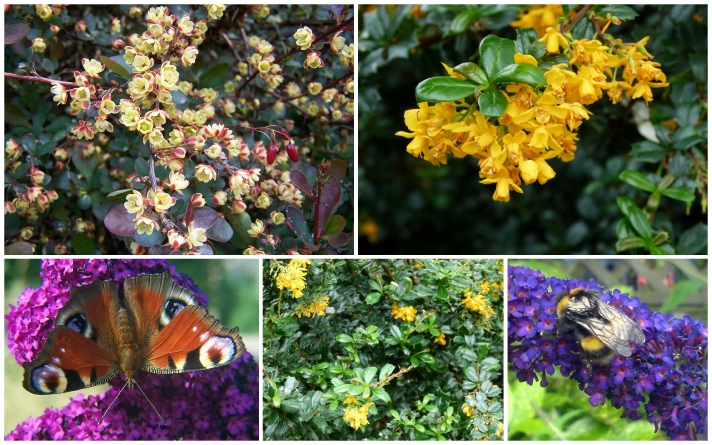
By choosing to plant suitable varieties of trees and shrubs, you will not only provide places to breed and shelter but also provide food for birds and mini-
Children could raise some shrubs themselves -
Cultivated plants such as berberis, dog roses, escallonia, mahonia, pyracantha, holly, chaenomeles (quince), cotoneaster, salix (catkin forming) and skimmia are all valuable additions to a wildlife garden Buddleias aren’t called the butterfly bushes without good reason -
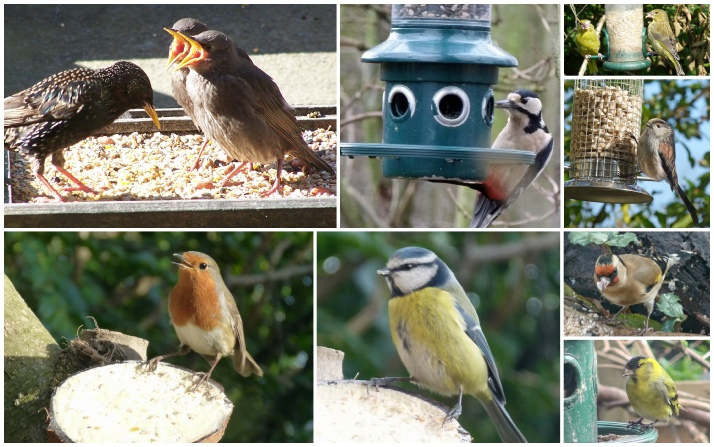
Berries, seed heads and nectar produced by the trees shrubs and climbers are also an important food supply.
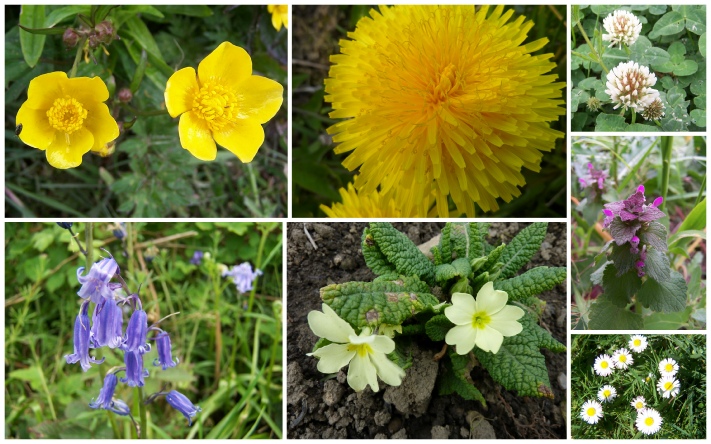
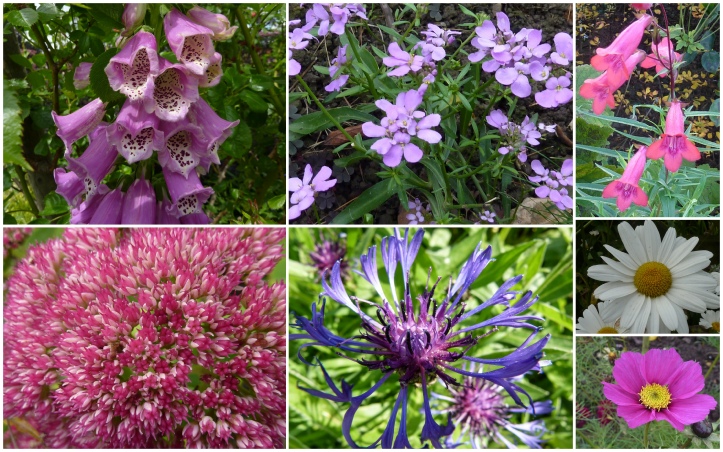
A wide range of flowering plants is needed to provide food and foraging for as much wildlife as possible. Double flowers should be avoided as should those that advertise being pollen free. Choose a variety of flower shapes and colour and also plants that flower at different times of the year trying to have something flowering for as much of the year as possible. Suttons Seeds provide a selection of flowers that are suitable for growing in a wild life garden. Once the flowering season is over leave seed heads on the plants for the birds to forage on over autumn and winter. Also use some plants that flower in the evening when they will be visited by moths. Scent is also an important attractant for some mini-
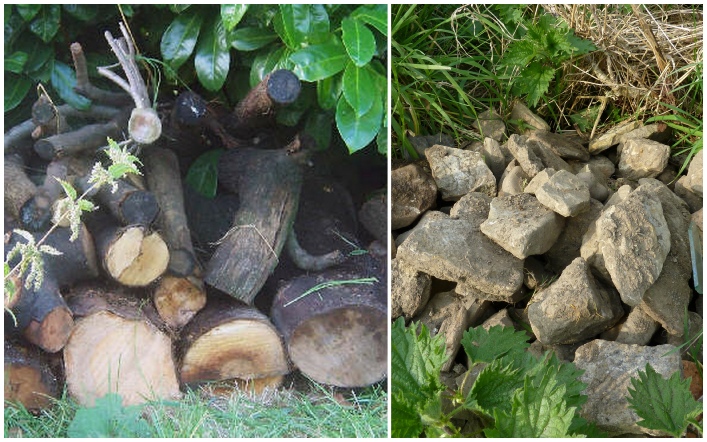
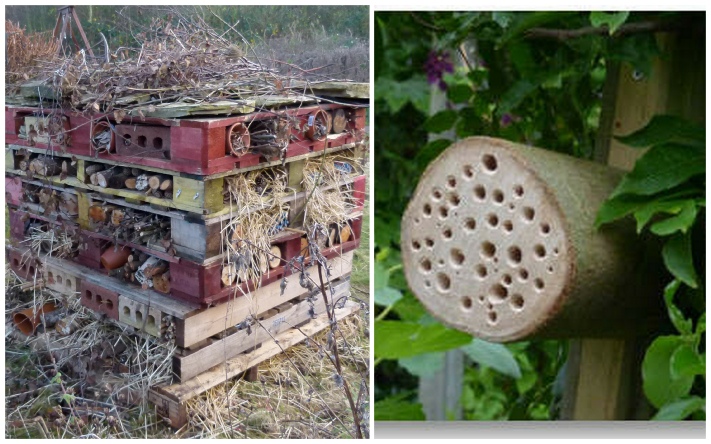
Walls with mortar missing provide holes for solitary bees. Log and stone piles also provide lots of nooks and crannies in which mini-
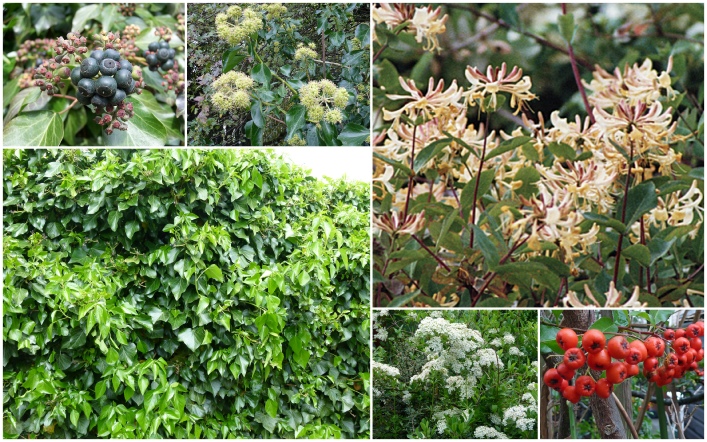
Walls, fences and other structures clothed with climbing plants such as ivy, honeysuckle, bramble and vigorous clematis such as montana will provide nesting sites for birds and egg laying sites for invertebrates as well as providing a food supply of seed heads, nectar and berries. Berries, seed heads and nectar produced by the trees shrubs and climbers are also an important food supply.
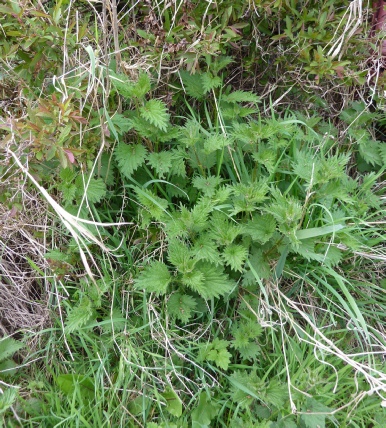
Try to have an area set aside for nettles as this plant provides a breeding ground for many types of butterfly. Other butterflies require other specific plants on which to lay their eggs -
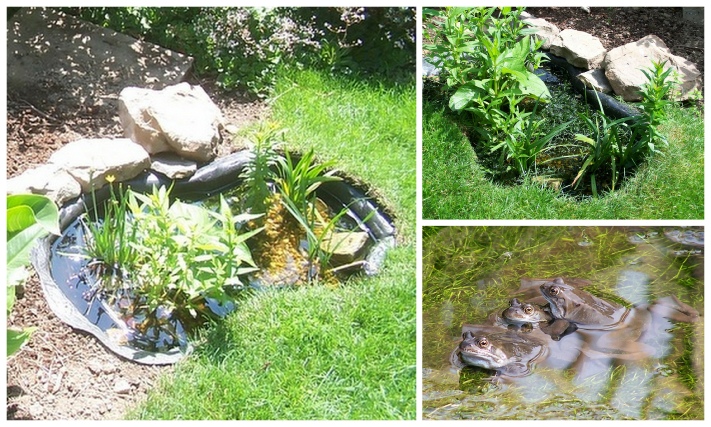
To attract breeding amphibians a pond of some type will be required. This should have areas of differing depths with shallow ledges to allow small animals to scramble out. To make ponds safe for children you can fit a metal grid over the water but make sure that the openings are large enough to allow access to wildlife.
You can supplement natural habitats with man-
Many of the plants mentioned above besides offering shelter and a place to breed also provide food and foraging for wild life. Areas of grass kept at differing heights provide foraging for a variety of animals. Some birds and small mammals prefer to forage in longer grass and others prefer lawned areas that are kept shorter. Native wildflowers grown in grassy areas would also be welcome by native wild life. Suttons Seeds provide a range of wild flower seeds including a lawn mixture.
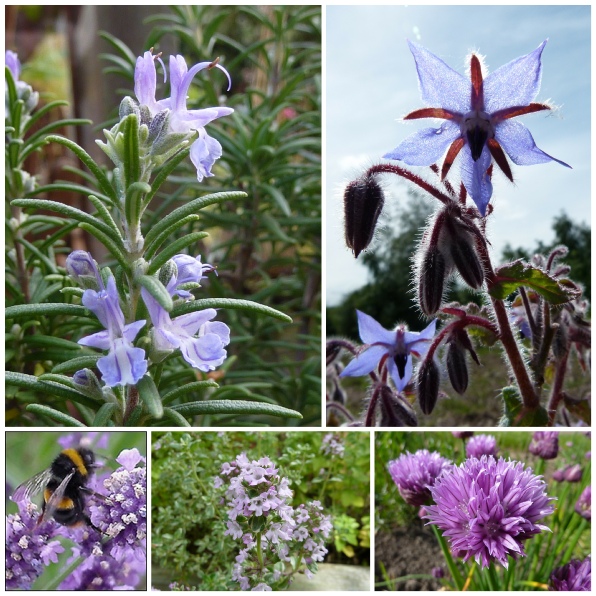
Heathers provide a good source of nectar and by choosing the right varieties you can provide this for at most times of the year. Many herb flowers, for instance chives, thyme and lavender (a list is available here) are also very popular with bees and other insects. Herbs can be grown from seed which is more cost effective or you can buy plants for a quicker solution.
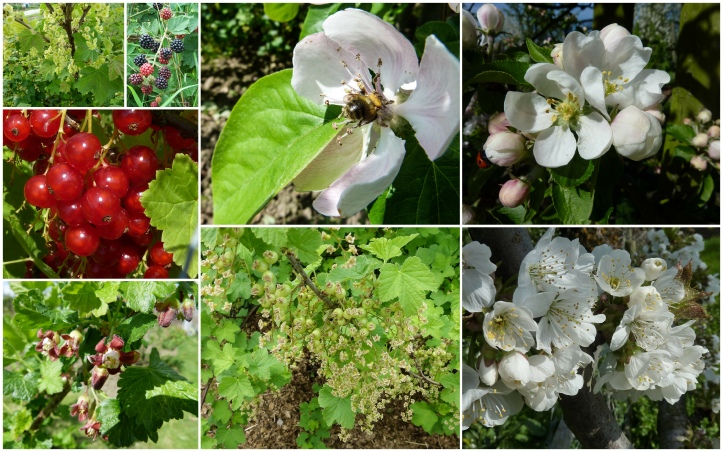
Fruit trees and bushes also attract pollinating insects and can provide food for humans as well as wild life. Some fruit bushes, such as blackcurrants and gooseberries, have very insignificant flowers which are produced early in the season. Although insignificant to us the insects love them. If you can resist using all the fruit produced birds will flock to any bushes producing soft fruit and may even get to the fruit before you do. As the season progresses towards the end of summer and early autumn take care when picking fruit as the sweet smells will attract wasps.
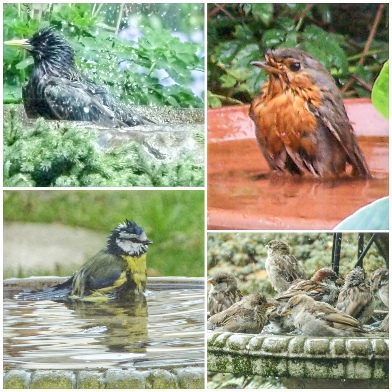
Wildlife needs access to drinking water and birds need to bathe to keep their feathers in good condition. If you don’t want to include a pond in your wildlife garden then include smaller water features such as bird baths or mini ponds. An upturned bin lid can make an effective mini-
The use of chemicals should be avoided as the creatures that are considered to be garden pests, such as slugs and snails, also provide food for many birds and small mammals or invertebrates high up the food chain. Caterpillars and aphids are in an important food source for developing baby birds even those that develop into seed eating adults.
In the same way -

This article is sponsored by Suttons Seeds -